Anti-Inflammatory Foods: Your Path to a Healthier Life
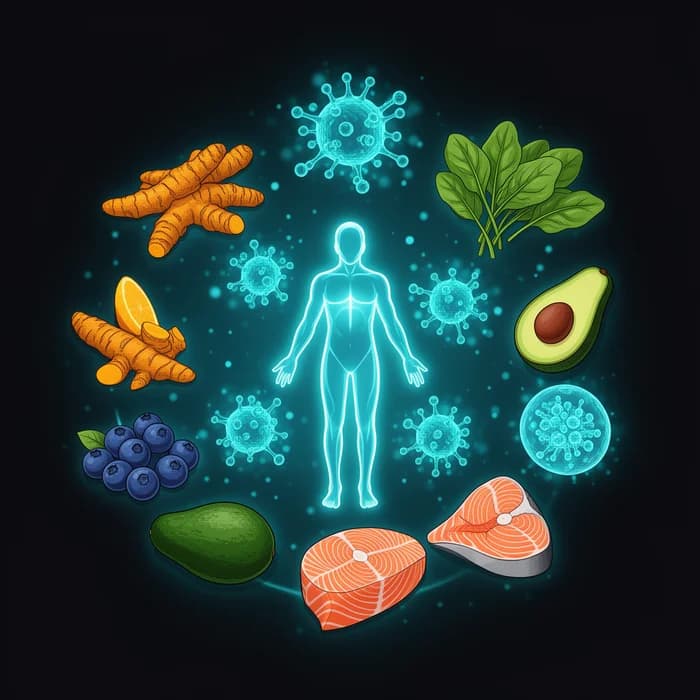
Anti-Inflammatory Foods: Your Path to a Healthier Life
Inflammation can significantly impact your daily life, whether through pain, fatigue, or other symptoms. But did you know that with the right diet, you can make a significant contribution to preventing and alleviating inflammation? In this article, I'll show you which foods have anti-inflammatory properties and how to incorporate them into your daily diet.
Acute vs. Chronic Inflammation: The Difference
Inflammation can be acute or chronic. Acute inflammation occurs suddenly and has a clear trigger, such as an insect bite. It is characterized by redness, swelling, pain, and warmth. Chronic inflammation, on the other hand, develops gradually and often without a recognizable trigger. It can cause symptoms such as fatigue, digestive problems, and joint pain.
Foods That Promote Inflammation
Certain foods can promote inflammation in the body. These include:
- Meat and processed meats: They contain arachidonic acid and hormones from mass animal farming.
- Dairy products: These can stimulate insulin and growth hormones.
- Processed foods and refined carbohydrates: They are high in sugar, salt, and trans fats but low in nutrients.
- Sugary drinks and industrial sugars: They activate the brain's reward system, leading to increased consumption.
Anti-Inflammatory Foods: Your Natural Pharmacy
Fortunately, there are many foods that have anti-inflammatory properties and can strengthen your immune system. Here are some of the best:
Berries
Berries like currants, blueberries, and raspberries are rich in secondary plant compounds and quercetin. They help balance insulin levels and protect gut flora. Sea buckthorn berries contain particularly high amounts of vitamin C, which is ten times higher than in citrus fruits.
Acerola
Acerola fruits are an excellent source of vitamin C and flavonoids. A glass of acerola juice per day can strengthen your immune system and prevent inflammation.
Citrus Fruits
Citrus fruits like oranges and grapefruits are rich in vitamins C and E, which is particularly helpful in winter to avoid colds and help inflammations heal faster.
Cruciferous Vegetables (Brassicas)
Cabbage varieties like white cabbage and broccoli are rich in vitamin C, antioxidants, and flavonoids. They strengthen the immune system and can help with stomach inflammation. Sauerkraut is particularly useful as it contains probiotic bacteria.
Nuts and Seeds
Nuts and seeds provide valuable nutrients like vitamin E, magnesium, zinc, selenium, and omega-3 fatty acids, which have anti-inflammatory effects.
Onions and Garlic
Onions and garlic contain allicin, which has anti-inflammatory and antimicrobial properties. They are versatile and can enhance many dishes.
Plant Oils
Cold-pressed plant oils like olive oil, flaxseed oil, and hemp oil contain omega-3 fatty acids that can reduce inflammation. They are great for salads and muesli.
Carotenoids
Foods with carotenoids like carrots, pumpkins, and tomatoes are rich in anti-inflammatory compounds. They protect cells and strengthen the immune system.
Green Vegetables
Green vegetables like spinach, broccoli, and chard are rich in antioxidants and flavonoids. They should be part of your daily diet to reduce oxidative stress and strengthen the immune system.
Legumes
Legumes are an excellent source of proteins, iron, magnesium, zinc, and fiber. They support digestion and gut flora.
Probiotic Foods
Probiotics like kombucha, sauerkraut, kefir, and yogurt promote the growth of good bacteria in the gut and strengthen gut flora.
Beetroot
Beetroot contains the antioxidant betalain, which helps repair cells damaged by inflammation.
Fish
Fish is rich in omega-3 fatty acids, which protect against inflammatory diseases and can alleviate their symptoms.
Brown Algae
Brown algae like wakame, kombu, and arame contain fucoidan, which has anti-inflammatory properties. They are a nutrient-rich addition to your diet.
Spices
Spices like cinnamon, turmeric, chili, and ginger have anti-inflammatory properties. A "golden milk" with turmeric, ginger, pepper, and cinnamon is a soothing drink for everyday life.
Your Path to an Anti-Inflammatory Diet
To prevent inflammation in the long term, you should switch your diet to plant-based foods. These provide a wealth of vitamins, minerals, and fiber that strengthen your immune system and create an alkaline environment in the body. Start by gradually incorporating anti-inflammatory foods into your diet while reducing or eliminating inflammation-promoting foods.
With these tips and a conscious change in diet, you can effectively prevent inflammation and improve your well-being. Stay healthy and enjoy the benefits of an anti-inflammatory diet!
Related Articles
Effective Fat Burning: Top 10 Tips for Nutrition and Training
Burn body fat efficiently with these 10 proven tips on nutrition, training, and motivation. Learn more!
5 Reasons for Slow Fat Loss: How to Improve!
Discover the most common mistakes in fat loss and how to avoid them. Learn more about nutrition, training, and motivation.
6 Week Diet: Your Plan to Get in Top Shape
Achieve your dream body in just 6 weeks with this detailed nutrition and training plan.