Boost Protein Synthesis: Tips for Optimal Muscle Building
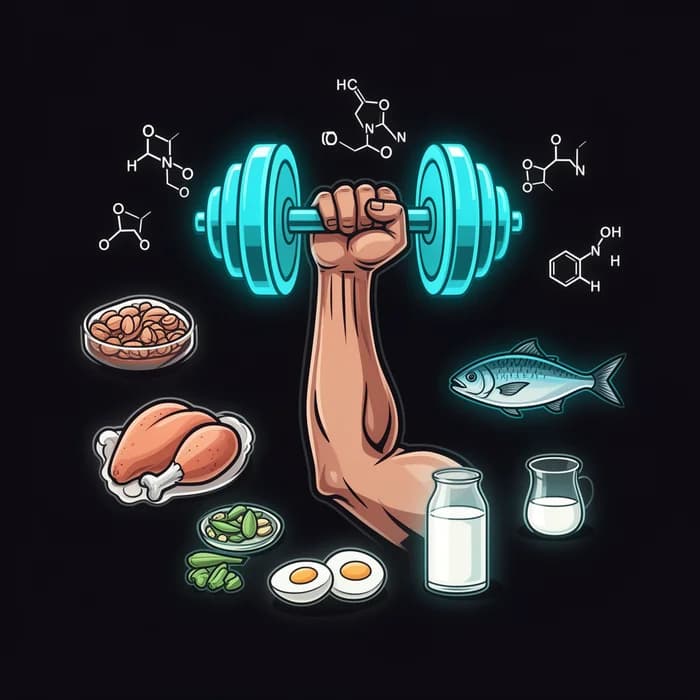
Boost Protein Synthesis: Tips for Optimal Muscle Building
Protein synthesis is a crucial factor in muscle building. It refers to the process of creating proteins or polypeptides in your body, controlled by DNA. Without efficient protein synthesis, effective muscle growth would be nearly impossible. But how can you specifically promote this process? In this article, you'll learn everything about proper nutrition, effective amino acids, and suitable workout plans to maximize your protein synthesis.
The Role of Nutrition
A balanced diet is the foundation for effective protein synthesis. Here are some foods you should include in your meal plan:
- Meat: Chicken, turkey, and beef are excellent sources of protein.
- Dairy Products: Low-fat cottage cheese, curd cheese, milk, and cheese provide valuable amino acids.
- Fish: Salmon and tuna offer not only proteins but also healthy fats.
- Eggs: A true all-rounder in terms of nutrients.
- Legumes: Lentils and beans are plant-based protein powerhouses.
- Grains: Durum wheat, rye, and spelt also contain a lot of protein.
How Much Protein Do You Need?
The amount of protein you should consume daily depends on your activity level:
- Athletes or ambitious fitness enthusiasts should aim for about 2.2 to 2.7 grams of protein per kilogram of lean body mass.
- Non-athletes who still want to benefit from higher protein synthesis should strive for around 2 grams of protein per kilogram of body weight.
By the way, carbohydrates do not play a direct role in protein synthesis, regardless of whether you follow a low-carb, medium-carb, or high-carb diet.
The Miraculous Effects of L-Leucine
L-leucine is an essential amino acid that particularly shines after workouts. It belongs to the branched-chain amino acids (BCAAs) and has several benefits:
- Increases Protein Synthesis: Promotes muscle building.
- Anti-catabolic Effect: Protects muscles from breakdown.
- Improved Insulin Sensitivity: Supports nutrient absorption.
- Enhanced Fat Burning: Aids in weight loss.
- Energy Provision: Delivers additional energy for workouts.
For optimal effectiveness, you should take L-leucine as follows:
- Pre-Workout: 2.5 grams of leucine or 5 grams of BCAAs about 25 to 30 minutes before your workout.
- Intra-Workout: For intense and longer sessions, focus on carbohydrates and essential amino acids.
- Post-Workout: 5 to 7 grams of leucine or 10 to 15 grams of BCAAs in your post-workout shake maximize muscular protein synthesis.
Training for Maximum Protein Synthesis
In addition to proper nutrition, training also plays a crucial role in boosting protein synthesis:
- Strength Training: During the workout, muscle protein synthesis initially decreases but rises afterward. With the right post-workout nutrition, you can maximize this effect.
- Flexibility Training (Stretching): Although not as effective as strength training, it still contributes to increasing protein synthesis.
Conclusion
Protein synthesis is a central factor for muscle building and muscle maintenance during a diet. With the right nutrition, targeted intake of L-leucine, and a well-thought-out workout plan, you can optimally promote your protein synthesis and achieve your fitness goals. So, what are you waiting for? Start now with your new nutrition and training plan and experience the positive effects on your own body!
Related Articles
Effective Fat Burning: Top 10 Tips for Nutrition and Training
Burn body fat efficiently with these 10 proven tips on nutrition, training, and motivation. Learn more!
5 Reasons for Slow Fat Loss: How to Improve!
Discover the most common mistakes in fat loss and how to avoid them. Learn more about nutrition, training, and motivation.
6 Week Diet: Your Plan to Get in Top Shape
Achieve your dream body in just 6 weeks with this detailed nutrition and training plan.