Lose Weight with Diet Breaks: How the Diet Break Works
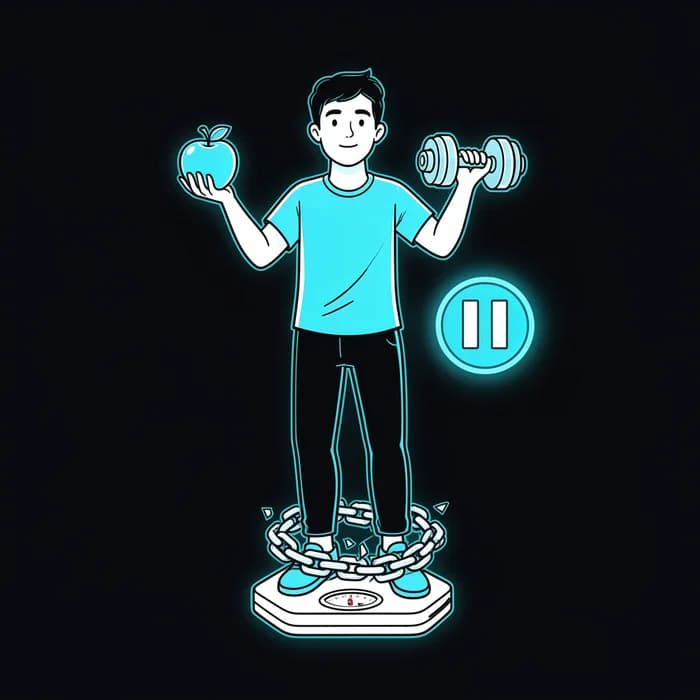
Lose Weight with Diet Breaks: How the Diet Break Works
Do you want to successfully lose weight and stick to your diet? Then a diet break might be just what you need. A diet break is a targeted pause during your diet that helps alleviate physical and psychological symptoms and increases your endurance. In this article, you will learn everything you need to know about diet breaks and how to effectively incorporate them into your weight loss plan.
What is a Diet Break?
A diet break translates to "diet pause" and involves taking a break from your diet for about 7 to 14 days. During this time, calorie intake is slightly increased to give your body and mind a rest. The goal is to mitigate typical diet symptoms such as fatigue, exhaustion, concentration problems, and cravings. By temporarily increasing calorie intake, your metabolism can better adapt, and you will feel more energetic overall.
Why a Diet Break?
A diet is a challenge for your body and mind. Common symptoms like fatigue, exhaustion, and cravings can lead to breaking the diet or hitting plateaus. A diet break gives you the opportunity to alleviate these symptoms and give your body more time to adapt. Especially with longer diets of about 10 to 12 weeks, a diet break after 6 weeks can be beneficial.
What Are the Benefits of a Diet Break?
A diet break offers numerous benefits that can support your weight loss success:
- Increased Insulin Release: The increased calorie intake boosts insulin release, promoting muscle growth and maintenance.
- Elevated Leptin Levels: Leptin is the satiety hormone that helps you feel full. Higher leptin levels can reduce cravings.
- Reduced Ghrelin Levels: Ghrelin is the hunger hormone. Lower ghrelin levels mean less hunger and better control over your food intake.
- More Energy: The additional calories give you more energy, positively impacting your training and daily life.
- Reduced Irritability: A diet break can also improve your mental state by reducing stress hormones like cortisol.
How Does a Diet Break Work?
During a diet break, calorie intake is adjusted so that you neither gain nor lose weight – these are your maintenance calories. These consist of your basal metabolic rate and activity level. It's important to continue eating healthily and not to get the extra calories from unhealthy foods. After the diet break, you return to your calorie deficit to continue losing weight.
Who Are Diet Breaks Suitable For?
Diet breaks are particularly suitable for you if you want to lose weight long-term and plan a longer diet of at least 12 weeks. They can help increase your endurance and alleviate typical diet symptoms. Even if you already have a low body fat percentage and want to reduce it further, a diet break can be beneficial.
Conclusion
A diet break can help you successfully stick to your diet and achieve your weight loss goals. By taking a targeted pause, you give your body and mind the opportunity to recover and better adapt to the diet. Give it a try and experience how a diet break can support your weight loss success!
Good luck on your journey to your dream body!
Related Articles
Effective Fat Burning: Top 10 Tips for Nutrition and Training
Burn body fat efficiently with these 10 proven tips on nutrition, training, and motivation. Learn more!
5 Reasons for Slow Fat Loss: How to Improve!
Discover the most common mistakes in fat loss and how to avoid them. Learn more about nutrition, training, and motivation.
6 Week Diet: Your Plan to Get in Top Shape
Achieve your dream body in just 6 weeks with this detailed nutrition and training plan.