7 Reasons Why Your Fat Loss Isn't Working
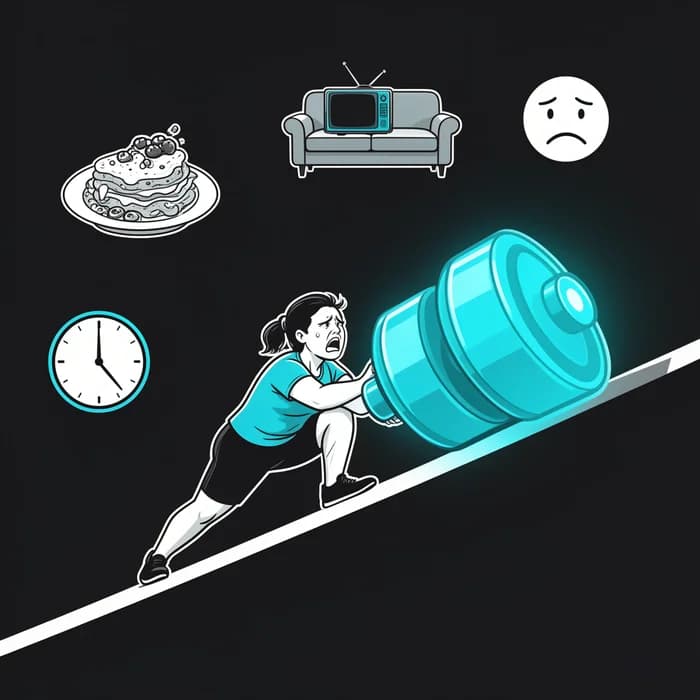
Discover the Biggest Mistakes in Fat Loss and How to Avoid Them
Fat loss is a complex process that requires much more than just eating less. In this article, I'll show you the most common mistakes people make when trying to lose fat and how you can avoid them. Let's dive right in!
Calorie Deficit: Essential but Handle with Care
A calorie deficit is indispensable if you want to lose fat. Your body must burn more energy than it gets from food. However, be cautious: too strong a deficit can lead your body to break down muscle mass and reduce metabolism. This means you should keep your calorie deficit moderate—about 300-500 calories less per day than your daily requirement.
My Tip:
Maintain your muscle mass through intense strength training and avoid radical diets. A moderate deficit combined with regular exercise is the key to success.
The Right Training During the Diet Phase
Many people believe that endurance sports are the best method for fat loss. However, the opposite is true: intense strength training is crucial for maintaining muscle mass and boosting metabolism. Endurance training can be done additionally but should not be the focus.
My Tip:
Focus on an intense strength training program and use endurance sports only as a supplement. This ensures that your muscles are maintained and your metabolism is active.
The Right Nutrition: Protein Instead of Carbohydrates
A protein-rich diet is essential during the dieting phase. Proteins help keep the metabolism active and maintain muscle mass. Low-carb diets have proven to be more effective than low-fat diets. However, a certain amount of fat is necessary for the metabolism to function correctly.
My Tip:
Focus on protein-rich foods and reduce carbohydrate intake. Make sure to include enough healthy fats in your diet plan.
The Perfect Diet Formula: Active Metabolism + Calorie Deficit
The classic formula "calorie deficit = fat loss" is incomplete. A better formula is: Active metabolism – moderate individual calorie deficit = fat loss + muscle maintenance. An active metabolism is supported by regular strength training, adequate sleep, an active lifestyle, and a protein-rich diet.
My Tip:
Make sure to promote your metabolism through various measures: drink plenty of water, take sufficient minerals, and use spicy seasonings as well as coffee and green tea.
Avoid Radical Swings
Extreme bulking and dieting phases are not sustainable. It is better to pay attention to a moderate calorie intake year-round instead of swinging between extreme phases. This way, you avoid muscle loss and ensure long-term success.
My Tip:
Ensure that your calorie intake remains moderate and does not fluctuate extremely. Continuous fat loss is more sustainable and healthier.
Long-Term Success Through Permanent Lifestyle Changes
The body constantly adapts to the circumstances. Therefore, it is important to permanently change your lifestyle habits to achieve long-term success. A one-time diet is not enough—you must sustainably change your lifestyle.
My Tip:
Integrate healthy eating and training habits into your daily life to stay fit and slim in the long run.
Consider Health Aspects
If you do not see any success despite all efforts or even gain weight, there might be a metabolic disorder. In this case, you should consult a doctor to clarify the cause and take appropriate measures.
My Tip:
Get examined by a doctor if your fat loss efforts are not working. A metabolic disorder could be the reason.
Now you are well-equipped to successfully tackle your fat loss. Stay motivated and remember: sustainability is the key to success!
Related Articles
Effective Fat Burning: Top 10 Tips for Nutrition and Training
Burn body fat efficiently with these 10 proven tips on nutrition, training, and motivation. Learn more!
5 Reasons for Slow Fat Loss: How to Improve!
Discover the most common mistakes in fat loss and how to avoid them. Learn more about nutrition, training, and motivation.
6 Week Diet: Your Plan to Get in Top Shape
Achieve your dream body in just 6 weeks with this detailed nutrition and training plan.