Foods to Avoid for Optimal Muscle Building
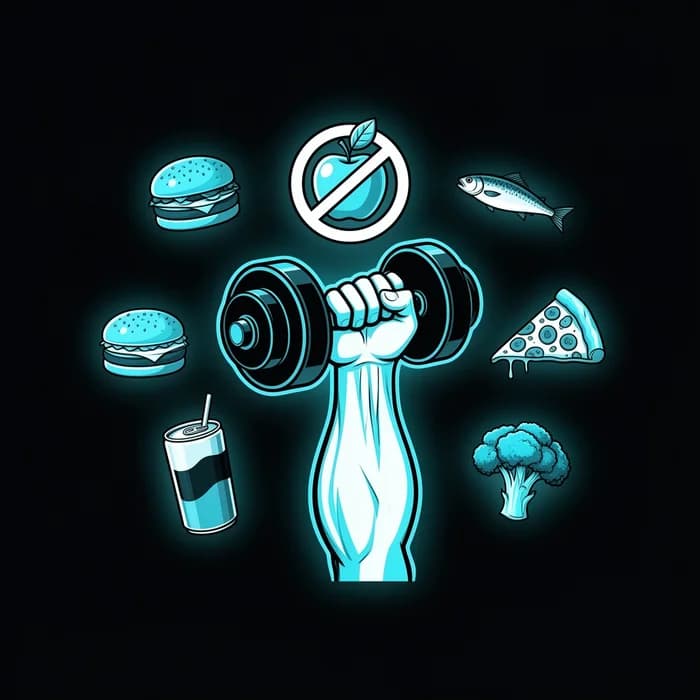
Muscle Building with Healthy Nutrition: Foods You Should Avoid
Do you want to build muscles and know that the right nutrition plays a crucial role? Then it's important to know which foods you should avoid to effectively achieve your goals. In this article, you will learn which foods can hinder muscle building and what better alternatives are available.
Alcohol: An Obstacle for Muscle Building
Alcohol can impair your muscle building in various ways. It contains many calories that can increase body fat percentage and lowers testosterone levels – a hormon essential for muscle building. Additionally, alcohol worsens blood flow and hydration of your muscles, affecting nutrient supply.
Better Alternative: Drink plenty of water to improve the fluidity of blood and provide your body with enough nutrients. For celebratory occasions, you can opt for unsweetened cocktails made from natural juices and coconut water, which are rich in vitamins, minerals, and electrolytes.
Sugary Drinks: The Hidden Calorie Bombs
Sugary drinks like energy drinks, sodas, and cola are a real obstacle for muscle building. They cause blood sugar levels to spike, which can promote cravings. Additionally, they contribute to weight gain and can support insulin resistance, preventing the body from effectively using energy from carbohydrates.
Better Alternative: Opt for unsweetened drinks like water or herbal tea. They quench thirst, prevent cravings, and provide your body with sufficient fluid and nutrients.
Highly Processed Foods: Low in Nutrients, High in Calories
Highly processed foods like ready-made meals are low in healthy fats, proteins, and essential nutrients. Instead, they contain unhealthy fats, refined sugar, and artificial additives. These products barely satisfy hunger and do not provide your body with important nutrients for muscle building.
Better Alternative: Focus on natural and unprocessed foods. Prepare your meals yourself and opt for high-quality protein sources like lean meat, eggs, and legumes. These provide essential amino acids for muscle building.
Saturated Fats and Trans Fats: Bad for Health
Saturated fats and trans fats are found in fried foods, potato chips, sweets, and baked goods. They can lead to weight gain, increase bad cholesterol (LDL) levels, and raise the risk of cardiovascular diseases. Additionally, they promote inflammation and oxidative stress, negatively affecting muscle recovery.
Better Alternative: Opt for healthy fats like nuts, avocados, seeds, and fish. These contain important omega-3 fatty acids that reduce inflammation and support your overall health.
Sugary Bars and Snacks: Calorie Bombs Without Nutritional Value
Donuts, chocolate bars, and other sugary snacks are high in calories, sugar, and saturated fats but low in proteins and micronutrients. They contribute to weight gain and promote cravings, which can affect your concentration and motivation.
Better Alternative: Opt for unsweetened protein bars or homemade energy balls made from dates, chia seeds, and protein powder. These alternatives satisfy hunger and prevent blood sugar spikes.
Ready-Made Smoothies: Sugar Traps in Healthy Disguise
Ready-made smoothies often contain a lot of added sugar, negating their supposed health benefits. They can raise blood sugar levels and promote cravings.
Better Alternative: Prepare your smoothies at home using fresh fruits and vegetables along with additions like protein powder and flaxseeds to increase nutritional content.
Excessive Coffee Consumption: A Double-Edged Sword
Coffee in moderation can boost concentration and motivation, but excessive consumption can have the opposite effect. Too much caffeine can lead to sleep disorders, increase cortisol levels, and hinder muscle recovery.
Better Alternative: Limit your coffee intake to a maximum of 400 milligrams per day and avoid caffeinated drinks in the late evening hours. This way, you can benefit from caffeine without risking its negative effects.
Processed Meat: Lower Quality, Higher Risks
Processed meat like ham, bacon, and sausages contain proteins but also a lot of fat and salt. These foods can increase blood pressure and the risk of cardiovascular diseases. Additionally, they often contain nitrates, which can have health disadvantages.
Better Alternative: Opt for high-quality protein sources like lean meat, quinoa, tofu, and eggs. These provide essential amino acids for muscle building without the health risks of processed meat.
High-Fat Dairy Products: An Obstacle for Lean Muscle Building
High-fat dairy products like Camembert, Gouda, and full-fat yogurt can increase body fat percentage and are often unsuitable for people with lactose intolerance. They sabotage your lean muscle building efforts and provide too many calories.
Better Alternative: Opt for low-fat dairy products like grain cheese, Harzer cheese, reduced-fat yogurt and quark, as well as reduced-fat milk. These provide important nutrients like calcium and high-quality proteins for muscle building.
White Flour Products: Empty Calories Without Nutritional Value
White flour products like white bread are low in nutrients and fiber and contribute little to nutrient supply. They can lead to insulin spikes, negatively affecting energy balance and muscle building.
Better Alternative: Opt for whole grain products like whole grain bread, whole grain pasta, and brown rice. These contain valuable nutrients, fiber, and complex carbohydrates that support your health.
Sugary Cereals: Morning Sugar Traps
Ready-made cereals often contain a lot of added sugar, which raises insulin levels and promotes cravings. They are therefore not a good choice for a healthy breakfast.
Better Alternative: Prepare a healthy breakfast from natural ingredients like oats, nuts, coconut flakes, fresh fruit, and low-fat or plant-based milk. These ingredients provide important nutrients without unnecessary added sugar.
Low-Fat Peanut Butter: Tempting but Misleading
Low-fat peanut butter often contains added sugar to improve taste. This makes it less healthy and beneficial for muscle building.
Better Alternative: Opt for unsweetened peanut butter without additives. If you prefer something sweeter, you can add banana slices.
Pizza: A Calorie-Rich Temptation
Pizza is delicious but also very high in calories. An average pizza contains about 700 calories, which is almost half of your daily basal metabolic rate.
Better Alternative: Prepare a protein-rich pizza at home using a dough with high protein content and topping it with natural, healthy ingredients. This way, you can reduce the calorie content and still enjoy it.
High Fructose Corn Syrup: A Hidden Enemy
High fructose corn syrup is found in many processed foods and is rich in fructose. It is suspected of increasing the risk of diabetes, fatty liver, and high blood pressure.
Better Alternative: Opt for natural sweeteners like maple syrup and honey to sweeten your meals.
Healthy Sleep: A Must for Muscle Building
Healthy sleep is particularly important for athletes. It promotes muscle recovery and contributes to a balanced energy balance. Additionally, healthy sleep can support the release of growth hormones that promote muscle building. The recommended sleep duration is between 7 and 9 hours per night.
Protein Intake: The Key to Success
For athletes, a daily protein intake of 1.2 to 2 grams per kilogram of body weight is recommended, especially during periods of higher stress. To increase muscle growth, you should eat a protein-rich meal every 3 to 4 hours and distribute the total protein content across 4 to 6 meals per day. Protein supply is particularly important after training. Here, consuming fast-digesting carbohydrates can be useful to replenish muscle glycogen stores and promote protein synthesis.
With these tips and a conscious diet, you are well-equipped to achieve your muscle building goals. Stay motivated and consistent – your body will thank you!
Related Articles
Effective Fat Burning: Top 10 Tips for Nutrition and Training
Burn body fat efficiently with these 10 proven tips on nutrition, training, and motivation. Learn more!
5 Reasons for Slow Fat Loss: How to Improve!
Discover the most common mistakes in fat loss and how to avoid them. Learn more about nutrition, training, and motivation.
6 Week Diet: Your Plan to Get in Top Shape
Achieve your dream body in just 6 weeks with this detailed nutrition and training plan.