Optimal Recovery for Better Muscle Growth
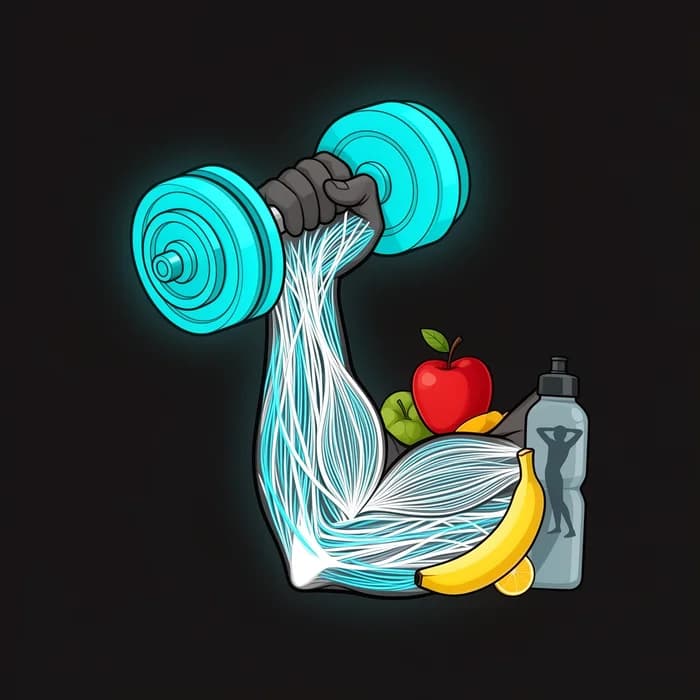
Optimal Recovery for Better Muscle Growth
You train hard, but your muscles just won't grow as fast as you want? Then it's time to take a closer look at your recovery. Rest is just as important as training itself and can make the difference between stagnation and progress. In this article, you will learn how to maximize your muscle growth through targeted nutrition and active recovery.
The Importance of Recovery
Strength training and bodybuilding are demanding. Your body needs to be pushed to its limits with the right stimulus to build muscles. This stimulus is necessary for your muscle fibers to become thicker and stronger. However, what many athletes often forget is recovery. It frequently gets neglected in the pursuit of muscle growth. Yet, it plays a crucial role in muscle development alongside training.
Your body uses recovery to heal from the stresses of training. Joints, tendons, cartilage, and ligaments are heavily strained and need time to recover. The mental strain in strength sports is also high since both mind and body are equally challenged. Therefore, there should always be a balance between training and recovery.
The Right Nutrition for Recovery
One of the most important factors for recovery is nutrition. It significantly affects your performance and often determines success or failure. For successful recovery, it's essential to supply your body with all the vital nutrients it lost during training and needs for recuperation.
Proteins: The Building Blocks of Muscles
Proteins are crucial for muscle growth. After training, your body needs quickly digestible protein to repair and build muscle fibers. Whey protein (whey) is an excellent choice here. It has a high biological value of 104, meaning it can be quickly and efficiently utilized by the body.
Carbohydrates: Energy for Muscles
After training, your body urgently needs carbohydrates to replenish the energy stores depleted during the workout in the form of glycogen. Easily digestible carbohydrates like fruits, dried fruits, or instant oats are ideal. Post-workout shakes are also a good choice as they contain both proteins and carbohydrates in quickly digestible forms.
Wholesome Meals: Long-term Recovery
Two to three hours after training, you should have a wholesome meal consisting of a high-quality protein source and complex carbohydrates. Examples include:
- Whole grain products
- Legumes
- Tofu
- Dairy products
- Lean meat or fish
Fish, rice, and vegetables or pasta with turkey and tomatoes are ideal. These meals contain additional essential nutrients like vitamins, minerals, trace elements, and healthy fats.
Supplements for Recovery
In addition to a balanced diet, certain supplements can support recovery. Creatine, glutamine, and phosphatidylserine are particularly noteworthy here.
Creatine: Energy for Short, Intense Loads
Creatine contributes to the faster formation of adenosine triphosphate (ATP), which is needed for muscle contraction. It can be taken before or after training and is especially effective post-workout as it supports the recharging of the body's own ATP stores.
Glutamine: Support for Musculature
Glutamine is an amino acid primarily stored in the muscles. It can be taken as a supplement after intense exertion and supports muscle recovery.
Phosphatidylserine: Improved Cell Communication
Phosphatidylserine contributes to better communication of nerve cells and improves glucose uptake, which can also benefit recovery. It also inhibits the formation of cortisol, a stress hormone with catabolic properties.
Active Recovery: More Than Just Lounging Around
Actively recovering doesn't mean lazing around on the couch. Many athletes associate recovery with being lazy. While there's nothing wrong with resting on the sofa, the body can regenerate much better through active recovery. Here are some examples:
Fresh Air
Fresh air is still the "best medicine" for actively recovering and taking in enough oxygen for cell supply through moderate movement. Walks, light jogging, cycling, yoga, or swimming are ideal.
Cool-down: The First Step of Recovery
The cool-down is as important as the warm-up during training. It helps the body "wind down" after intense physical exertion. Just 10 minutes on a stationary bike can initiate recovery.
Stretching: For Supple Muscles
Stretches can be done before, during, or after training. However, it's best to stretch between two training sessions as this does not affect performance and supports recovery.
Passive Measures: Complementing Active Recovery
In addition to active recovery, there are also passive measures that can support regeneration. Alternating showers, sauna visits, massages, and fascia rolling are particularly noteworthy here. Adequate sleep is also crucial for muscle recovery.
Adequate Sleep: The Best Medicine
The body uses sleep to repair damaged muscle cells and form new ones. It also contributes to increased release of growth hormones. Therefore, it's especially important for athletes to get enough sleep, at least 7 to 8 hours per night.
Give your body the recovery it deserves, and you will see how your muscles grow faster and more effectively. Good luck with your training!
Related Articles
Adaptogens Against Stress: Intake and Effect
Learn how adaptogens like ginseng and ashwagandha can help you reduce stress and enhance your well-being.
Autogenic Training for Sports & Fitness
Discover the benefits of autogenic training for your athletic performance and mental health. Learn more about the techniques and applications.
9 Tips for Better Sleep - Easy Ways to Get Restful Sleep
Discover 9 effective tips for restful sleep. Improve your sleep quality and boost your daily performance.