Top Protein-Rich Foods for Fitness & Bodybuilding
Top Protein-Rich Foods for Fitness & Bodybuilding
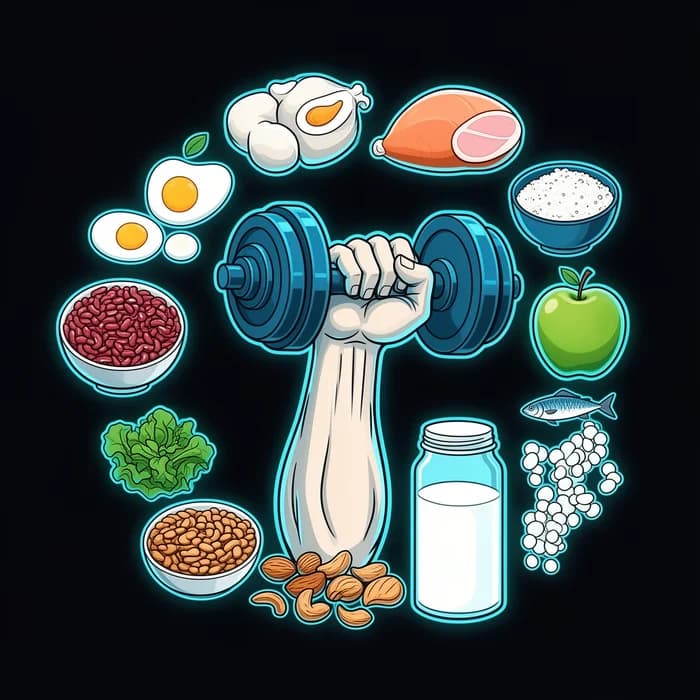
Proteins are an absolute must in your diet, especially if you want to build muscle or improve your fitness. They consist of amino acids and are essential for building and maintaining your muscles, as well as for general cell regeneration and recovery. But which foods provide the most protein? Here you will learn everything about the best protein-rich foods and how to optimally integrate them into your diet plan.
The Importance of Proteins
Proteins are not only important for muscle building but also for the health of your skin, hair, nails, and internal organs. A lack of protein can lead to problems such as hair loss, brittle nails, and delayed wound healing. An adequate intake of protein is crucial, especially for older people, athletes, and bodybuilders.
The Best Protein-Rich Foods
Eggs
Eggs are a superfood when it comes to proteins. They contain all essential amino acids and have high biological value. Five large hard-boiled eggs provide you with about 30 grams of protein – perfect for a hearty breakfast or as a snack in between meals.
Whey Protein
Whey protein is particularly popular among athletes because it is quickly absorbed by the body and has a high protein content. One serving of whey protein powder provides you with about 25 to 30 grams of protein. It is excellent as a shake after training to support muscle recovery.
Chicken and Turkey Breast
Chicken and turkey breast are lean and high in protein. 100 grams provide you with about 30 grams of protein with a low-fat content. These types of meat are versatile – whether grilled, fried, or cooked in soups.
Greek Yogurt
Greek yogurt is not only delicious but also rich in proteins. 200 grams provide you with about 30 grams of protein. It is excellent as a breakfast ingredient or as a healthy snack with some fruit and nuts.
Cottage Cheese (Curd Cheese)
Cottage cheese is creamy, delicious, and high in protein. 200 grams provide you with about 25 grams of protein. It can be enjoyed plain or combined with vegetables and fruits.
Beef
Beef is another great source of protein, although it is a bit fattier than chicken or turkey breast. 100 grams provide you with about 30 grams of protein and additional valuable vitamins and minerals like iron and zinc.
Fish
Fish is not only high in protein but also rich in omega-3 fatty acids, which have anti-inflammatory effects and support heart health. Salmon, tuna, and halibut are particularly recommended. 100 grams of fish provide you with about 25 grams of protein.
Tofu and Tempeh
For vegans, tofu and tempeh are excellent sources of protein. Both are made from soybeans and provide you with about 20 grams of protein per 100 grams. They can be used as meat substitutes in many dishes.
Legumes
Legumes such as lentils, soybeans, and chickpeas are not only high in protein but also rich in micronutrients like iron and magnesium. 200 grams of lentils provide you with about 20 grams of protein.
Oats
Oats are an excellent source of plant-based protein and fiber. 100 grams provide you with 14 grams of protein. They are perfect as a breakfast ingredient or as an addition to smoothies.
Nuts and Peanut Butter
Nuts are rich in healthy fats, proteins, and micronutrients like magnesium and vitamin E. Almonds provide you with about 20 grams of protein per 100 grams. Nut butter is a delicious alternative for those who don't like plain nuts.
Low-Fat Quark
Low-fat quark is low in fat and high in protein. 200 grams provide you with over 20 grams of protein. It is excellent as a snack or as an ingredient in smoothies and dips.
Hand Cheese
Hand cheese is a low-fat type of cheese that is rich in proteins. 100 grams provide you with about 30 grams of protein. It is excellent as a snack or as an ingredient in salads.
Tips for Optimal Protein Intake
To optimally supply your muscles, you should distribute your daily protein intake over several smaller meals. About 20 to 30 grams of protein per meal are recommended. Your daily protein requirement depends on various factors such as age, health status, body weight, and training. As a basic supply, 0.8 grams of protein per kilogram of body weight is recommended. For muscle building, you should consume 1.5 to 2 grams of protein per kilogram of body weight daily.
To increase the biological value of your meals, you can combine animal proteins with plant-based foods. For example, eggs and potatoes or soy and rice. These combinations increase the biological value and ensure that your body can optimally utilize the protein.
Good luck with your muscle building and keep going – you can do it!
Related Articles
Effective Fat Burning: Top 10 Tips for Nutrition and Training
Burn body fat efficiently with these 10 proven tips on nutrition, training, and motivation. Learn more!
5 Reasons for Slow Fat Loss: How to Improve!
Discover the most common mistakes in fat loss and how to avoid them. Learn more about nutrition, training, and motivation.
6 Week Diet: Your Plan to Get in Top Shape
Achieve your dream body in just 6 weeks with this detailed nutrition and training plan.