Debunking Common Nutrition Myths for Athletes
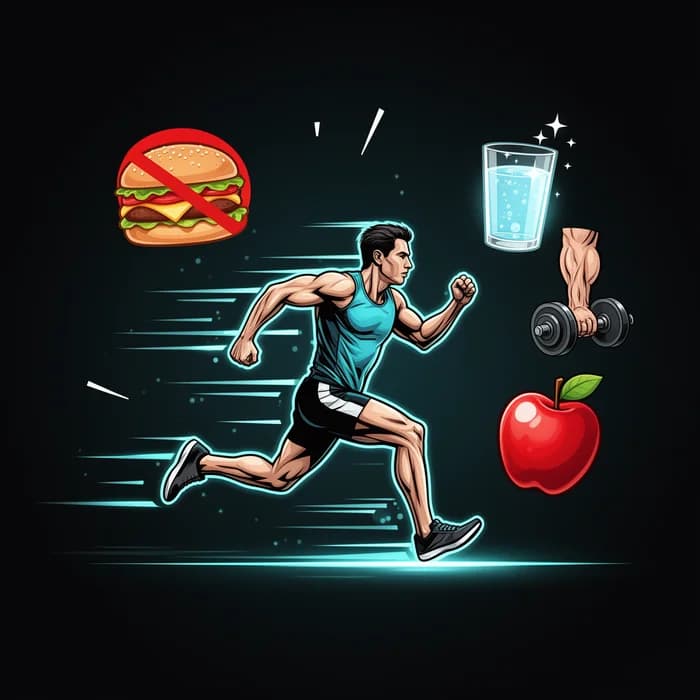
Debunking Common Nutrition Myths for Athletes
Nutrition myths are persistent and can hinder your athletic progress. In this article, we uncover the most common myths and show you how to optimize your diet to maximize your performance.
Myth 1: Fat is Unhealthy
One of the most persistent myths is that fats are unhealthy and should be avoided. However, this isn't entirely true. It depends on the type of fatty acids. Saturated fatty acids found in pork, sour cream, chocolate, and fast food, as well as trans fats in snacks, baked goods, and fried products, are indeed unhealthy.
However, there are also healthy fatty acids that you shouldn't avoid. These polyunsaturated fatty acids, such as omega-3 fatty acids, are found in walnuts, avocados, flaxseeds, and hemp seeds. They are important energy sources and are needed for the construction of cell membranes and the transport of fat-soluble vitamins.
Myth 2: All Carbohydrates Are Bad
Not all carbohydrates are created equal. The glycemic index helps understand the effects of carbohydrates on blood sugar levels. Foods with a high glycemic index, such as sweets, white flour products, and soft drinks, cause insulin levels to rise quickly. In contrast, foods with a low glycemic index, such as brown rice, whole grain pasta, whole grain bread, vegetables, potatoes, and sweet potatoes, keep insulin levels balanced and provide longer-lasting satiety.
Myth 3: No Carbohydrates Before Bedtime
Another myth is that carbohydrates before bedtime make you fat. However, this isn't true. Especially for bodybuilders and strength athletes, carbohydrates in the evening can even be beneficial. They contribute to insulin release, which can improve protein synthesis. Particularly after an evening workout, your body can utilize these carbohydrates well.
Myth 4: Egg Yolks Are Bad for Nutrition
Eggs are an excellent source of high-quality protein. They contain all essential amino acids, omega-3 fatty acids, fat-soluble vitamins (A, D, K), choline, and B vitamins. The egg yolk is not bad for nutrition but a valuable addition.
Myth 5: Meat Makes You Strong
While meat is a good source of protein, there are also many plant-based alternatives like soy, buckwheat, quinoa, peas, and beans. These can even achieve a higher biological value in combination than meat alone. For creatine intake, you can rely on creatine powder, especially during times of high physical stress.
Myth 6: 30 Grams of Protein – No More
It is often claimed that the body cannot digest more than 30 grams of protein per meal. However, this isn't true. Larger amounts of protein can be absorbed just as well and contribute positively to muscle building without leading to weight gain.
Myth 7: A High-Protein Diet Is Bad for the Kidneys
A high-protein diet only stresses the kidneys if not enough water is consumed. Make sure to drink at least two to three liters of water daily to keep uric acid concentration low and protect your kidneys.
Myth 8: Proteins Always Immediately After Training
After training, it's important to supply your body with nutrients. However, the anabolic window remains open for up to 60 minutes after training. So you don't have to drink a protein shake immediately but can take some time.
Myth 9: Sports Don’t Need Healthy Nutrition
A healthy diet is the foundation for athletic success. It provides your body with the necessary vitamins and nutrients to maximize your performance and support your health.
Stay motivated and optimize your nutrition to get the best out of yourself!
Related Articles
Effective Fat Burning: Top 10 Tips for Nutrition and Training
Burn body fat efficiently with these 10 proven tips on nutrition, training, and motivation. Learn more!
5 Reasons for Slow Fat Loss: How to Improve!
Discover the most common mistakes in fat loss and how to avoid them. Learn more about nutrition, training, and motivation.
6 Week Diet: Your Plan to Get in Top Shape
Achieve your dream body in just 6 weeks with this detailed nutrition and training plan.