9 Common Dietary Patterns Overview
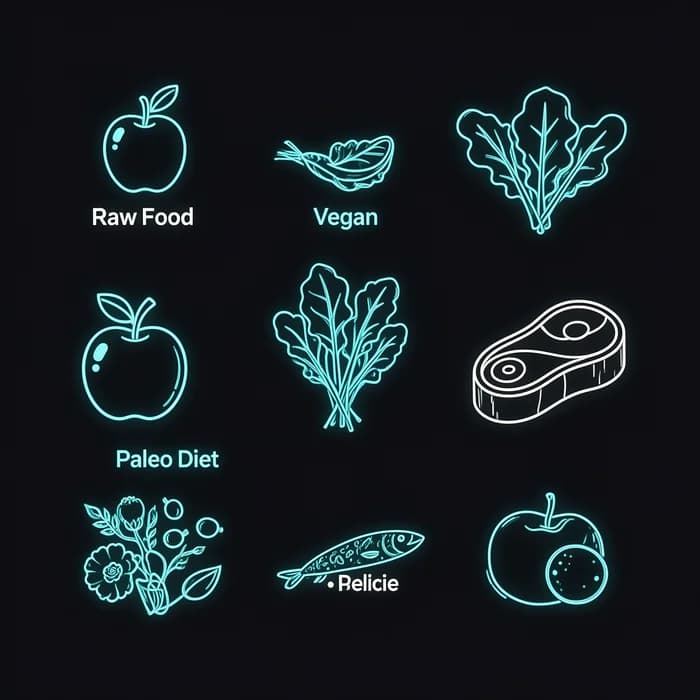
9 Common Dietary Patterns Overview
In today's world, there is a wide variety of dietary patterns characterized by different rules and restrictions. Whether you are interested in a plant-based diet or prefer to avoid carbohydrates – here you will find an overview of the nine most common dietary patterns, their advantages and disadvantages, as well as tips for implementation.
Raw Food: The Natural Diet
Raw food means that all foods are consumed raw. The idea behind this is that valuable nutrients are lost through heating. Therefore, rice, potatoes, pasta, and bread are off-limits. Instead, vegetables, fruits, nuts, seeds, and herbs are on the menu. Some raw foodists incorporate cheese and sausage into their diet, while others completely avoid them.
Fruganism: Naturally Fallen from Trees
Fruganism is an even stricter form of the raw food diet. Here, only foods that are unharmed and naturally fall from trees are allowed. This means fruits and nuts are permitted, while root vegetables like onions and potatoes, as well as animal and processed foods, are off-limits. This dietary pattern is very restrictive and can lead to nutrient deficiencies if not carefully planned.
Clean Eating: Natural and Unprocessed
Clean eating focuses on natural and unprocessed foods. Fresh products like vegetables, fruits, nuts, seeds, fish, eggs, and meat are allowed. Dairy products are often included, but opinions vary. Whole grains and pseudo-grains enrich the dietary plan. Environmentally conscious people prefer regional and seasonal foods to reduce CO2 emissions.
Vegetarian Diet: Ethics and Variety
Vegetarians avoid meat and fish but allow other animal products like eggs and dairy. This dietary pattern is very versatile and recommended by the German Nutrition Society. Vegetarians often divide their diet into ovo-vegetarian and lacto-vegetarian, where either milk products or eggs are avoided. This form of nutrition is ethically motivated and offers a wide variety of foods.
Vegan Diet: Plant-Based and Animal-Free
Vegans completely avoid animal products and focus exclusively on plant-based foods. Dairy products are replaced by plant-based alternatives, and soy and peas serve as meat substitutes. Honey is a controversial topic since it is produced by animals. Vegans also avoid non-food animal products like leather and wool. This dietary pattern requires careful planning to cover all nutrients.
Paleo: The Stone Age Diet
Paleo is based on the diet of our ancestors in the Stone Age. Meat, fish, vegetables, fruits, nuts, and seeds are allowed. Legumes, grains, and processed foods are off-limits. This dietary pattern can be very meat-heavy, which has both health and ecological disadvantages. However, there is also a paleo-vegan variant that is even more restrictive, allowing only vegetables, nuts, fruits, and seeds.
Ketogenic Diet: Low Carbohydrates, High Fat
The ketogenic diet aims to put the body into a state of ketosis to increase fat burning. To do this, less than 50 grams of carbohydrates are consumed per day. Meat, fish, eggs, dairy products, nuts, and seeds, as well as low-carb vegetables and fruits like berries, cabbage, zucchini, and cucumbers, are allowed. High-carb foods like white flour, potatoes, rice, and sweets are prohibited. This dietary pattern can be particularly interesting for endurance athletes who are allowed to consume more carbohydrates on training days.
Low Carb: Moderate Carbohydrate Restriction
Low carb is less strict than the ketogenic diet and allows up to 150 grams of carbohydrates per day. The focus is on protein and high-quality fats, while complex carbohydrates like whole grains can be consumed in moderation. This dietary pattern is more flexible and easier to integrate into daily life. It is particularly suitable for people who want to reduce their carbohydrate intake without completely eliminating them.
Flexitarian: Conscious Meat Consumption
Flexitarians consciously eat less meat and focus mainly on plant-based foods. They occasionally incorporate meat, fish, and sausage into their diet but prefer regional and seasonal products from organic farming. This dietary pattern is flexible and ethically motivated, promoting the conscious use of animal products.
Each of these dietary patterns has its own advantages and disadvantages. It's important to choose a diet that fits your lifestyle and provides you with all the necessary nutrients. Try different approaches and find out what works best for you. Good luck on your journey to healthier eating!
Related Articles
Effective Fat Burning: Top 10 Tips for Nutrition and Training
Burn body fat efficiently with these 10 proven tips on nutrition, training, and motivation. Learn more!
5 Reasons for Slow Fat Loss: How to Improve!
Discover the most common mistakes in fat loss and how to avoid them. Learn more about nutrition, training, and motivation.
6 Week Diet: Your Plan to Get in Top Shape
Achieve your dream body in just 6 weeks with this detailed nutrition and training plan.