Low Carb vs Low Fat: Which is Better for Weight Loss?
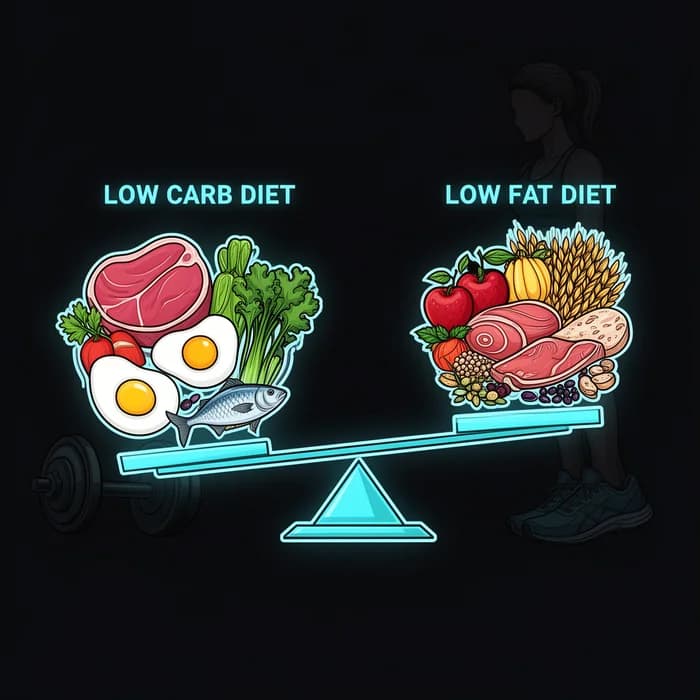
Low Carb vs. Low Fat: Which is Better for Weight Loss?
Do you want to lose weight and are wondering whether to cut out carbohydrates or fat? Both diets have their pros and cons. In this article, you will learn everything important about Low Carb and Low Fat so that you can make an informed decision.
What Does Low Carb Mean?
Low Carb refers to a low-carbohydrate diet. Instead of using carbohydrates as the main source of energy, you rely on proteins and fats. This diet is particularly popular among people who want to lose weight quickly. The daily intake of carbohydrates is limited to 70 to 110 grams. Foods like dried fruits, sweets, and bananas are off-limits. Instead, meat, fish, yogurt, quark, and eggs are on the menu.
Advantages of the Low Carb Diet
A significant advantage of the Low Carb diet is rapid weight loss. Your body switches its metabolism to draw energy from fat reserves, a process known as catabolism. This can be particularly beneficial for people with diabetes, as it reduces cravings.
Disadvantages of the Low Carb Diet
However, the Low Carb diet is not without disadvantages. Many people find it difficult to maintain this dietary form in the long term. Some studies show that participants often struggled with cravings and fatigue. Additionally, the diet can be more expensive since plant-based and animal products are often costlier than carbohydrate-rich foods like pasta or rice.
What Does Low Fat Mean?
In the Low Fat diet, the fat content in your nutrition is reduced. Daily fat consumption should be between 30 and 60 grams. This diet is easier to implement because you don't have to give up any specific foods. Instead, you choose low-fat alternatives like low-fat dairy products, lean meat, and plant oils.
Advantages of the Low Fat Diet
The Low Fat diet is easier to maintain because it is less restrictive. You can still enjoy a variety of foods as long as you watch your fat intake. This reduces the risk of cravings and makes the diet more suitable for everyday life. Additionally, it helps prevent cardiovascular diseases by reducing the consumption of animal fats.
Disadvantages of the Low Fat Diet
A disadvantage of the Low Fat diet is the constant calorie counting, which can be tedious in the long run. Also, many dishes taste bland and boring when prepared low-fat. There is also a risk that fatty foods will be replaced by carbohydrate-rich foods, which can hinder fat loss.
Which Diet is Better for You?
Whether Low Carb or Low Fat is better for you depends on your personal preferences and goals. If you want to lose weight quickly and are willing to give up carbohydrates, the Low Carb diet might be suitable for you. However, if you are more interested in a long-term and practical change in nutrition, the Low Fat diet may be the better choice.
Conclusion: Find Your Path to Success
Regardless of which diet you choose, the key to long-term success lies in conscious and balanced nutrition. Check your energy balance and adjust your daily calorie needs. With the right motivation and discipline, you will achieve your goals!
Good luck on your journey to a healthier and slimmer you!
Related Articles
Effective Fat Burning: Top 10 Tips for Nutrition and Training
Burn body fat efficiently with these 10 proven tips on nutrition, training, and motivation. Learn more!
5 Reasons for Slow Fat Loss: How to Improve!
Discover the most common mistakes in fat loss and how to avoid them. Learn more about nutrition, training, and motivation.
6 Week Diet: Your Plan to Get in Top Shape
Achieve your dream body in just 6 weeks with this detailed nutrition and training plan.