Minerals & Trace Elements: What Athletes Need to Know
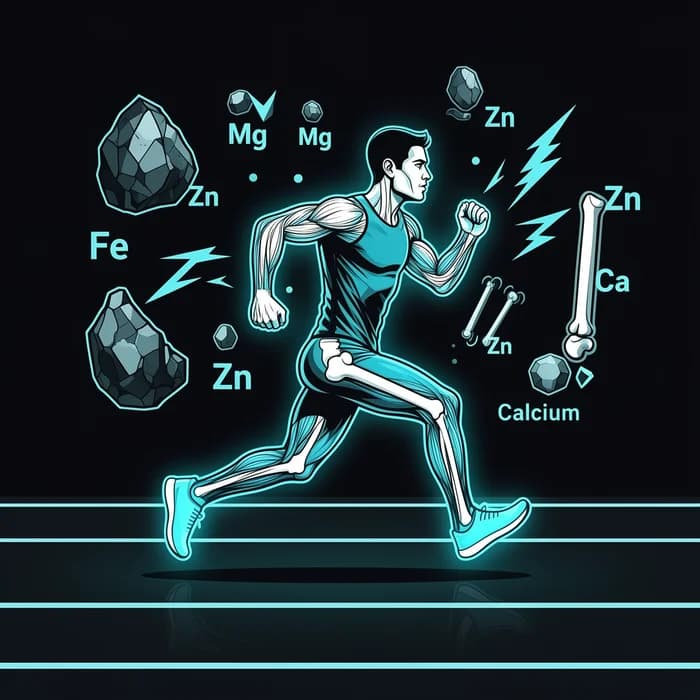
Minerals & Trace Elements: What Athletes Need to Know
As an athlete, you know that a balanced diet is just as important as your training plan. In addition to macronutrients like proteins, carbohydrates, and fats, micronutrients—especially minerals and trace elements—play a crucial role in your performance and health. In this article, you'll learn which minerals and trace elements are particularly important for you and how to optimally integrate them into your nutrition plan.
Why Are Micronutrients So Important?
Athletes have an increased need for energy and nutrients because they put more strain on their bodies than non-athletes. Insufficient intake of micronutrients can lead to various problems:
- Decreased performance
- Poor recovery
- Lack of training progress
- Muscle and joint issues
- Sleep disorders
- Increased fatigue and susceptibility to infections
Minerals and trace elements are lost not only through sweat but also through urine and stool. The loss is higher, especially during intense sweating activities in the summer. Therefore, you should keep an eye on your nutrient balance to avoid performance deficits and achieve peak performance.
Important Minerals for Athletes
Potassium
Potassium is essential for muscle and nerve signal transmission as well as heart and muscle contraction. It supports the buildup of muscle glycogen, which is particularly important for muscle growth. Insufficient potassium intake can lead to irregular heartbeat, accelerated pulse, and muscle weakness. The recommended daily intake is 4,000 mg.
Good sources of potassium: Bananas, carrots, soybeans, dates, spinach, apricots, tomatoes, and avocados.
Calcium
Calcium is essential for bones, teeth, and hair. It contributes to bone strength and prevents fatigue fractures and osteoporosis. It is also needed for muscle and nerve interaction. Insufficient calcium can manifest as cardiovascular problems, skin issues, and muscle cramps. The optimal daily intake is 1,000 mg.
Good sources of calcium: Broccoli, sesame seeds, kale, almonds, and whole grains.
Magnesium
Magnesium is involved in many metabolic processes and is one of the most important minerals for muscle contraction. It contributes to optimal signal transmission of muscle and nerve impulses and supports bone metabolism together with calcium. A magnesium deficiency can cause general weakness, fatigue, muscle cramps, heart rhythm disturbances, nausea, vomiting, and tremors. The recommended daily intake is 300 mg for women and 350 mg for men.
Good sources of magnesium: Whole grains, oats, cashews and hazelnuts, cocoa, seeds, bananas, potatoes, fish, and seafood.
Important Trace Elements for Athletes
Zinc
Zinc is particularly important for protein, fat, and carbohydrate metabolism as well as hormone and enzyme balance. It contributes to a balanced testosterone level. A zinc deficiency can cause fatigue, lack of motivation, increased susceptibility to infections, brittle fingernails, concentration difficulties, and weight loss. The recommended daily intake is 11 mg for men and 7 mg for women.
Good sources of zinc: Whole grains, meat, eggs, legumes, buckwheat, flaxseeds, pumpkin seeds, sunflower seeds, and seafood.
Iron
Iron is essential for blood formation and oxygen transport. It helps bind available oxygen and transport it to muscle cells. An iron deficiency can cause chronic fatigue, dizziness, muscle tension, reduced performance, impaired temperature regulation, and increased susceptibility to infections. The recommended daily intake is 10 mg for men and 15 mg for women aged 15 to 51.
Good sources of iron: Whole grains, meat, legumes, pumpkin seeds, cocoa, dates, vegetables, and sausages. Vitamin C promotes iron absorption.
Copper
Copper is important for iron metabolism, and a deficiency can promote an iron deficiency. The symptoms of a copper deficiency are similar to those of an iron deficiency: fatigue, reduced performance, brittle hair and fingernails, and increased susceptibility to infections. The recommended daily intake is up to 1.5 mg.
Good sources of copper: Whole grains, liver, mushrooms, and mussels.
Chromium
Chromium is important for carbohydrate metabolism and contributes to the stabilization of blood sugar levels. A chronic chromium deficiency can cause fatigue, concentration difficulties, reduced performance, muscle weakness, and nervousness. The recommended daily intake is between 30 and 100 µg.
Good sources of chromium: Fruits (especially pears), legumes, mushrooms, tomatoes, broccoli, meat, eggs, and oats.
Manganese
Manganese plays an important role in metabolism and regulates protein, carbohydrate, and fat metabolism. It influences cartilage and bone formation as well as connective tissue. A manganese deficiency can lead to metabolic disorders or connective tissue problems. The recommended daily intake is between 2 and 5 mg.
Good sources of manganese: Nuts (almonds), legumes, oats, leafy greens, and whole grains.
Boron
Boron supports the absorption of calcium, magnesium, and vitamin D as well as muscle growth. A boron deficiency can lead to increased susceptibility to infections, joint pain, hair loss, and muscle and calf cramps. The recommended daily intake is between 0.3 and 2 mg.
Good sources of boron: Dried fruits (dates, raisins & prunes), vegetables (broccoli, cauliflower, beets, cucumbers), soybeans, fruits (peaches), and nuts.
Iodine
Iodine is important for the formation of thyroid hormones, which ensure normal energy metabolism and normal heart and muscle function. An iodine deficiency can cause fatigue and, in severe cases, goiter. The recommended daily intake is 200 µg, 180 µg for those over 51 years old, and 230 µg for pregnant and lactating women.
Selenium
Selenium contributes to the regulation of thyroid hormones and protects against free radicals. A selenium deficiency can lead to disruptions in thyroid, heart, and muscle function. The recommended daily intake is 60 µg for women and 70 µg for men, and about 75 µg for lactating women.
Good sources of selenium: Fish, meat, legumes, cabbage, and onions.
Keep an Eye on Your Nutrient Balance
As you can see, a balanced diet is crucial for your athletic performance and health. Make sure you get enough minerals and trace elements through your daily food intake. With a varied diet rich in whole grains, fruits, vegetables, meat, fish, and nuts, you can ensure that your body receives all the necessary micronutrients.
Stay committed and give your best—your body will thank you!
Related Articles
Effective Fat Burning: Top 10 Tips for Nutrition and Training
Burn body fat efficiently with these 10 proven tips on nutrition, training, and motivation. Learn more!
5 Reasons for Slow Fat Loss: How to Improve!
Discover the most common mistakes in fat loss and how to avoid them. Learn more about nutrition, training, and motivation.
6 Week Diet: Your Plan to Get in Top Shape
Achieve your dream body in just 6 weeks with this detailed nutrition and training plan.