Plant-Based Milk Alternatives: The Best Options for Your Diet
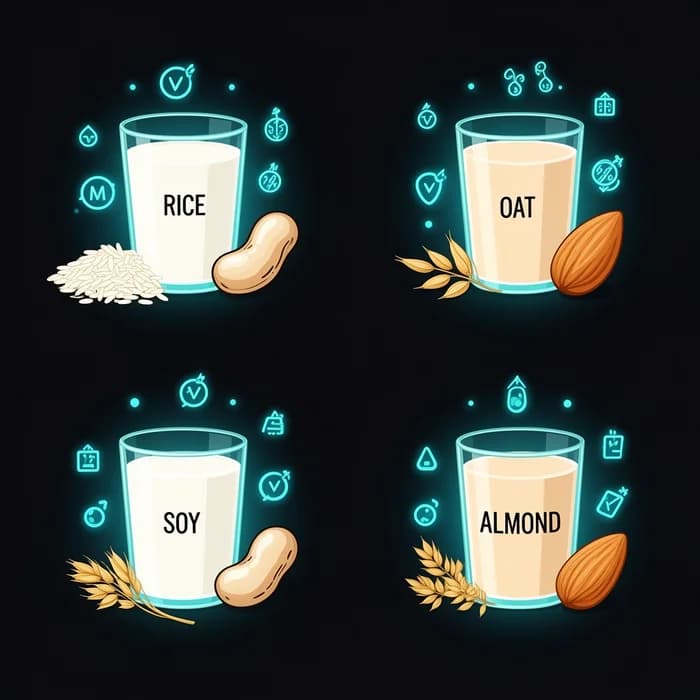
Plant-Based Milk Alternatives: The Best Options for Your Diet
Do you want to give up cow's milk and are looking for a delicious and healthy alternative? Then you've come to the right place! In this article, we present the best plant-based milk alternatives, their benefits, and what to look out for when purchasing.
Why Switch to Plant-Based Milk?
There are many reasons why people switch to plant-based milk alternatives. A common reason is lactose intolerance, where the body cannot digest the lactose in milk. Additionally, more and more people are choosing plant-based milk for ethical reasons such as animal welfare and environmental protection. Plus, some plant-based milks simply taste better than cow's milk.
The Benefits of Milk Alternatives
Plant-based milk alternatives have many advantages over cow's milk. They are lactose-free, cholesterol-free, and contain fewer saturated fats. Moreover, they are versatile – whether in coffee, baking, or protein shakes.
What to Look for When Buying?
When buying plant-based milk alternatives, you should pay attention to a few things. Many manufacturers add sugar and flavors to improve the taste. Therefore, check the ingredient list and opt for unsweetened varieties. Organic quality and regional products are also recommended to protect the environment.
The Best Plant-Based Milk Alternatives in Detail
Rice Drink
Rice milk is one of the most well-known plant-based milks. It has a watery and bland taste but is suitable for cooking and baking. People with gluten or nut allergies can enjoy it without worry.
Nutritional values per 100 g:
- Calories: 47 kcal
- Protein: < 1 g
- Fat: 1 g
- Carbohydrates: 10 g
Soy Drink
Soy milk is particularly popular among athletes due to its high protein content. It has a slightly nutty taste and foams well, making it ideal for coffee. Ensure that the raw materials are sourced from Europe and are organic.
Nutritional values per 100 g:
- Calories: 54 kcal
- Protein: 3.3 g
- Fat: 2.2 g
- Carbohydrates: < 0.5 g
Oat Drink
Oat milk is popular among many athletes and has a fine, sweet note. It is excellent for pure enjoyment, coffee, baking, and protein shakes. However, it contains slightly more calories and may contain gluten.
Nutritional values per 100 g:
- Calories: 46 kcal
- Protein: 0.9 g
- Fat: 1.2 g
- Carbohydrates: 7.8 g
Almond Milk
Almond milk is rich in essential nutrients and has a pleasantly sweet, nutty taste. It is particularly suitable for baking, muesli, and protein shakes. However, it should not be used as a coffee additive since it does not dissolve completely.
Nutritional values per 100 g:
- Calories: 24 kcal
- Protein: 0.8 g
- Fat: 2.1 g
- Carbohydrates: 0.5 g
Pea Milk
Pea milk is a relatively new alternative and has a mild taste. It is thicker and therefore particularly suitable for creamy protein shakes. Additionally, it is low in calories and contains more protein than other plant-based milks.
Nutritional values per 100 g:
- Calories: 39 kcal
- Protein: > 5 g
- Fat: 2 g
- Carbohydrates: 0.5 g
Hemp Milk
Hemp milk stands out with its high protein content and is rich in omega-3 fatty acids. It has a nutty taste and creamy consistency, making it ideal for coffee, shakes, and baking. However, it is slightly more expensive than other plant-based milks.
Nutritional values per 100 g:
- Calories: 40 kcal
- Protein: 1.3 g
- Fat: 3.5 g
- Carbohydrates: 0.1 g
Lupine Drink
Lupine milk is often made from regional raw materials and is rich in protein. It has a neutral taste and is versatile for cooking. However, there are currently few suppliers, making the market somewhat limited.
Nutritional values per 100 g:
- Calories: 75 kcal
- Protein: 1.6 g
- Fat: 4.5 g
- Carbohydrates: 7.7 g
Coconut Milk
Coconut milk has a higher fat content and is usually used in smaller quantities. It is excellent for exotic smoothies, muesli, and Thai specialties. However, due to its high fat content, it should be used sparingly and not as the main milk alternative.
Nutritional values per 100 g:
- Calories: 227 kcal
- Protein: 2 g
- Fat: 21 g
- Carbohydrates: 6 g
Find the Perfect Milk Alternative for You!
Plant-based milk alternatives offer a fantastic way to enrich your diet and give up cow's milk. Try different varieties and find out which one suits you best. Your body and the environment will thank you!
Related Articles
Effective Fat Burning: Top 10 Tips for Nutrition and Training
Burn body fat efficiently with these 10 proven tips on nutrition, training, and motivation. Learn more!
5 Reasons for Slow Fat Loss: How to Improve!
Discover the most common mistakes in fat loss and how to avoid them. Learn more about nutrition, training, and motivation.
6 Week Diet: Your Plan to Get in Top Shape
Achieve your dream body in just 6 weeks with this detailed nutrition and training plan.