Paleo Diet: Successful Weight Loss with Meal Plan
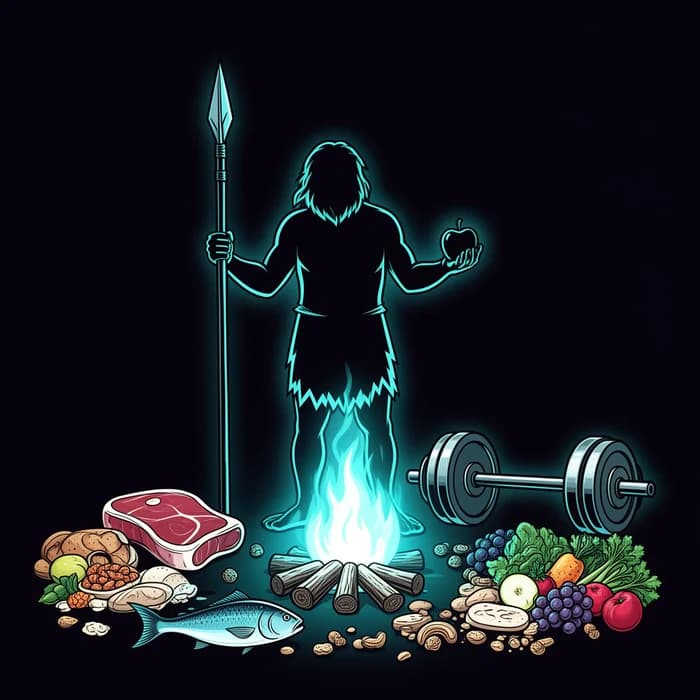
Paleo Diet: Successful Weight Loss with Meal Plan
The Paleo diet, also known as the caveman diet, is based on the eating habits of our ancestors from the Stone Age. This dietary approach not only promises a healthier lifestyle but also effective fat loss. In this article, you will learn everything you need to know about the Paleo diet and receive a practical meal plan to get started right away.
What is the Paleo Diet?
The Paleo diet is based on the assumption that our genes and digestive system respond best to the foods that our ancestors ate during the Stone Age. This means consuming plenty of fresh vegetables, fish, seafood, eggs, fruits (especially berries), nuts, and seeds while avoiding processed foods, sugar, grains, and dairy products.
Allowed Foods in the Paleo Diet
- Vegetables: All types are allowed and should make up the bulk of your meals.
- Fish and Seafood: Rich in omega-3 fatty acids and proteins.
- Eggs: An excellent source of high-quality protein.
- Fruits: Especially berries, as they contain less sugar.
- Nuts and Seeds: Provide healthy fats and proteins.
- Oils and Fats: Plant oils like olive oil are allowed but controversial since they are not Paleolithic.
- Herbs and Spices: Enhance your meals without artificial additives.
- Beverages: Water, unsweetened tea, and coffee in moderation.
Exceptions and Special Cases
Some foods are allowed in moderation or under certain conditions:
- Honey and Maple Syrup: In small amounts as natural sweeteners.
- Ghee (clarified butter): Can be used for cooking and frying.
- Green Beans or Sugar Snap Peas: Allowed if they are free from artificial additives.
- Canned and Jarred Foods: Only if they contain no artificial additives.
Forbidden Foods in the Paleo Diet
To achieve the full effect of the Paleo diet, you should avoid the following foods:
- Sugar: All types of refined sugar are off-limits.
- Grains: Including rice, as they contain phytic acid which inhibits micronutrient absorption.
- Legumes: Due to their high carbohydrate content and phytic acid.
- Dairy Products: These are not Paleolithic and can cause intolerances in some people.
- Processed Meat Products: Should be avoided as they often contain unhealthy additives.
- Sweeteners: Artificial sweeteners are also not allowed.
- Refined Plant Oils: These are highly processed and not natural.
- Foods with Artificial Additives or Preservatives: Anything that is not natural should be avoided.
Calories and Macronutrients in the Paleo Diet
With the Paleo diet, you don't need to count calories. The foods are subject to natural variations, making calorie tracking unnecessary. Instead, focus on macronutrient distribution:
- Carbohydrates: 20-46% of your daily energy intake.
- Fat: 21-50% of your daily energy intake.
- Protein: 15-33% of your daily energy intake.
Studies and Research on the Paleo Diet
Various studies have examined the positive effects of the Paleo diet:
- Reduced risk of cardiovascular diseases and improved blood sugar levels in type 2 diabetics.
- Positive results for diabetics.
- The Paleo diet is more satiating than the Mediterranean diet, but it can lead to micronutrient deficiencies.
- Improved glucose tolerance values in heart disease patients.
- Weight loss, reduced waist and hip circumferences, improved blood pressure, and lipid levels.
- Positive effects in long-term studies on overweight women.
- Positive effects regarding the development of metabolic syndrome compared to other diets.
Conclusion and Outlook
The Paleo diet offers a healthier alternative to conventional nutrition, especially by avoiding processed foods, sugar, and preservatives. However, keep in mind that some of the strict rules and prohibitions may not be suitable for everyone, and the psychological component of changing your diet should also be considered.
If you are ready to try the Paleo diet, start with a limited trial period. You might discover a new, healthier way of eating that benefits you in the long run.
Good luck on your journey to better health and fitness!
Related Articles
Anabolic Diet for Muscle Building and Fat Loss
Discover the Anabolic Diet: Maximum muscle building while simultaneously burning fat. Learn more about nutrition plans, nutrient distribution, and supplements.
Protein Diet: Fat Loss Without Carbohydrates
Discover the Protein Diet for effective fat loss. Nutrition plan, tips, and more!
Bodybuilding Competition Diet Plan: Muscle Definition & Fat Loss
Optimized diet plan for bodybuilding competitions. Achieve maximum definition and minimize body fat.