Defining Muscles: Nutrition Plan & Tips for Better Definition
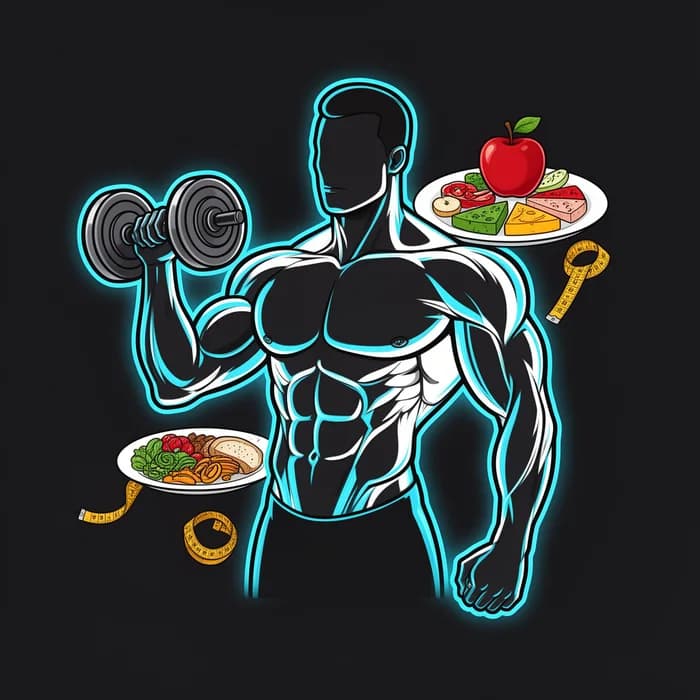
Muscle Definition: The Ultimate Nutrition and Training Plan for Better Definition
Do you want to define your muscles and present a toned body? Then you're in the right place! In this article, you will learn how to make your muscles visible with a targeted nutrition and training plan. Let's get started right away!
What Does Muscle Definition Mean?
Muscle definition describes well-visible musculature under a thin layer of skin and low body fat percentage. The key is to maintain your muscles while reducing your body fat percentage. This means you need to pay attention to both a balanced diet and effective training.
Step 1: Build Muscle Mass
Before you can focus on definition, you first need to build enough muscle mass. A targeted caloric surplus and regular strength training are essential here. But be careful: Too many calories lead to unnecessary fat gain, which will have to be trained away later.
Recommendations for Muscle Building
- Caloric Surplus: 10-20% more than your current caloric needs.
- Cardio Training: 3 times a week for 30 minutes each at 75-80% of your maximum heart rate, ideally on rest days or with a time gap from strength training.
Step 2: Caloric Deficit for Definition
Once you are satisfied with your muscle mass, it's about getting rid of the excess fat. For this, you need a caloric deficit. But here too, not too much at once, otherwise, you risk losing muscle.
Recommendations for Definition
- Caloric Deficit: 10-20% less than your current caloric needs.
- Determine Current Caloric Needs: Use tracking apps or body monitoring devices to determine your exact needs.
Step 3: Properly Distribute Macronutrients
The right distribution of proteins, carbohydrates, and fats is crucial for success. Each macronutrient plays a specific role in muscle building and definition.
Recommendations for Macronutrient Distribution
- Protein: 2.5g per kilogram of body weight (based on target weight).
- Carbohydrates: About 100g on rest days, about 150-200g on training days.
- Fats: The rest of your calories should come from fats, with a balanced ratio of saturated, monounsaturated, and polyunsaturated fatty acids.
Step 4: Timing is Everything
Not only the amount but also the timing of nutrient intake plays an important role. Here are some rules you should follow:
- Breakfast: Low in carbohydrates, moderate in protein and fat.
- Pre- and Post-Workout: Consume most of your daily carbohydrates around your workout.
- Protein Sources: After training, choose types with a high insulin index; otherwise, choose those with a low insulin index.
- Carbohydrate Sources: Post-workout, high glycemic load; pre-workout, low to medium glycemic load.
- Let Daily Life Determine Your Meals: You don't have to eat every 3 hours; let your daily routine determine your meals.
Step 5: Sample Nutrition Plan
Here is an example for an 80kg athlete aiming to reach a target weight of 75kg:
- Rest Day: 2160 kcal (187.5g protein, 100g carbohydrates, 105.51g fat)
- Training Day: 2400 kcal (187.5g protein, 175g carbohydrates, 98.2g fat)
With these tips and a well-thought-out plan, you are perfectly equipped to define your muscles. Good luck and keep going – you can do it!
Related Articles
Anabolic Diet for Muscle Building and Fat Loss
Discover the Anabolic Diet: Maximum muscle building while simultaneously burning fat. Learn more about nutrition plans, nutrient distribution, and supplements.
Protein Diet: Fat Loss Without Carbohydrates
Discover the Protein Diet for effective fat loss. Nutrition plan, tips, and more!
Bodybuilding Competition Diet Plan: Muscle Definition & Fat Loss
Optimized diet plan for bodybuilding competitions. Achieve maximum definition and minimize body fat.