Top Protein Sources for Vegans and Vegetarians
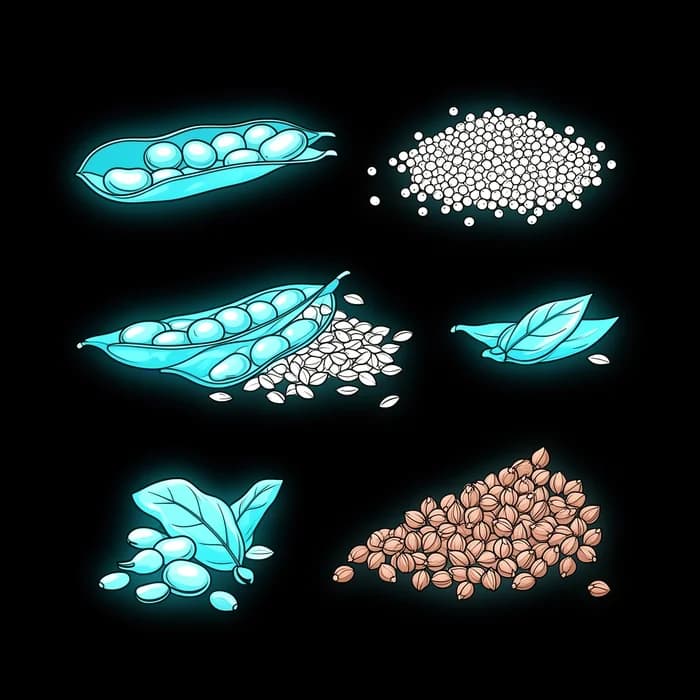
Top Protein Sources for Vegans and Vegetarians
Want to ensure you're getting enough high-quality protein as a vegan or vegetarian? No worries, it's absolutely doable! In this article, we'll show you the best plant-based protein sources and how to optimally integrate them into your diet.
The Importance of Biological Value
The biological value of a protein indicates how well it can be converted into the body's own protein. A whole chicken egg has a biological value of 100 and serves as a benchmark. Plant-based proteins often have a lower value, but through clever combinations, this can be increased.
The Best Plant-Based Protein Sources
Soy
Soy protein isolate has a high biological value of 85 and is quickly absorbed by muscle cells. Tofu and soy milk are other great soy products you can incorporate into your diet.
Protein amounts:
- Soy milk: approx. 3-4g per 100ml
- Tofu: approx. 15-16g per 100g
- Soy protein isolate: approx. 78-83g per 100g
Quinoa
Quinoa, also known as Inca rice, has a biological value of 83 and is rich in calories (approx. 365 kcal per 100g) and carbohydrates (approx. 62g per 100g). It contains many minerals and saponins that have health-promoting effects.
Protein amount: approx. 12g per 100g
Hemp Seeds
Hemp seeds are not only delicious but also rich in proteins and omega-3 fatty acids. They have a complete amino acid profile and, with about 560 calories per 100g, are a great way to increase your calorie intake.
Protein amount: approx. 33g per 100g
Buckwheat
Buckwheat contains all essential amino acids and is therefore considered a complete protein source. It is rich in enzymes and minerals and is often referred to as a "power food."
Protein amount: approx. 10g per 100g
Additional Plant-Based Protein Sources
In addition to the foods mentioned above, there are many other plant-based protein sources you can incorporate into your diet. Here are some examples with their biological values:
- Potatoes: 98
- Rye flour: 80 (depending on the grind)
- Beans and corn: 72
- Rice: 66
- Spinach: 64
- Oats: 60
- Wheat flour: 60 (depending on the grind)
- Peas: 56
Tips for a Balanced Diet
As a vegan or vegetarian, it's important to focus on a balanced diet. Combine different protein sources to increase biological value and get all essential amino acids. Also, remember to consume enough vitamin B12, iron, and creatine, as these nutrients are often not sufficiently present in plant-based foods.
Your Path to Success
With the right planning and the best plant-based protein sources, nothing stands in the way of your success. Stay committed and enjoy the variety of vegan and vegetarian diets!
Related Articles
Effective Fat Burning: Top 10 Tips for Nutrition and Training
Burn body fat efficiently with these 10 proven tips on nutrition, training, and motivation. Learn more!
5 Reasons for Slow Fat Loss: How to Improve!
Discover the most common mistakes in fat loss and how to avoid them. Learn more about nutrition, training, and motivation.
6 Week Diet: Your Plan to Get in Top Shape
Achieve your dream body in just 6 weeks with this detailed nutrition and training plan.