Softgainer Nutrition: Fat Loss Strategies and Diet Plan
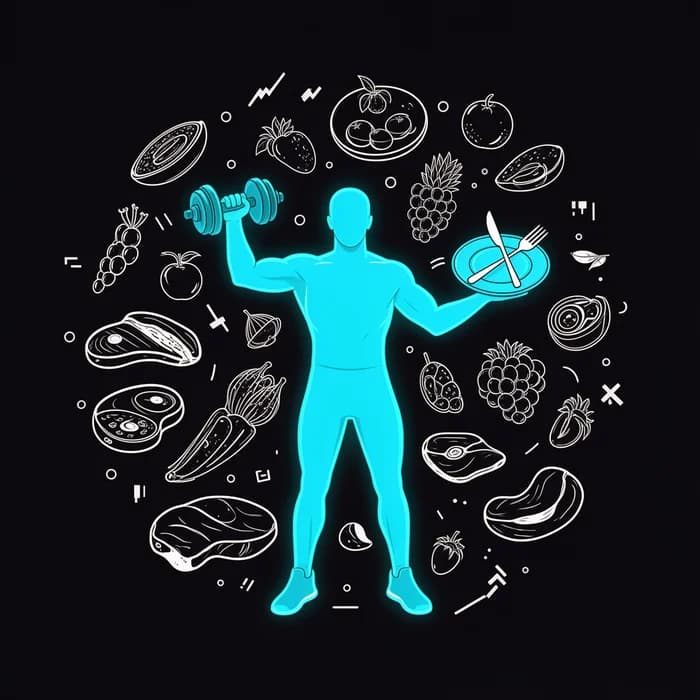
Softgainer Nutrition: Fat Loss Strategies and Diet Plan
As a softgainer, you might have noticed that you gain fat more quickly than others. Don't worry; this doesn't mean you are doomed to fail. With the right nutritional strategies and a tailored diet plan, you can effectively lose fat and get your body into top shape. Let's find out how you can achieve this together!
What is a Softgainer?
A softgainer is someone who tends to accumulate fat more quickly than they build muscle mass. These body types often have a very efficient metabolism and good recovery abilities, making them excellent food processors. However, they also tend to gain fat quickly, especially if their diet isn't optimal.
The Perfect Nutritional Strategy for Softgainers
To effectively lose fat as a softgainer, you need to consider some specific strategies:
- Calorie Deficit: A pronounced calorie deficit of about 20% of your daily needs is crucial. This means if you normally require 2800 calories, you should reduce your intake to around 2240 calories per day.
- Carbohydrates: Use carbohydrates strategically. Pay attention to the type, amount, and timing of carbohydrate intake. Before training, prefer complex carbohydrates like sweet potatoes or brown rice.
- Fat Oxidation: Maintain fat oxidation during training through proper pre-workout nutrition. A shake with a low insulin index, such as coconut milk and protein powder, can work wonders.
- Reduce Snacks: Avoid snacking and between-meal treats. This helps control your calorie intake and improve insulin sensitivity.
- Insulin Sensitivity: Improve your insulin sensitivity with targeted supplements like alpha-lipoic acid, coffee, magnesium, and cinnamon.
Example Fat Loss Plan for Softgainers
Let's say you weigh 90 kg and want to lose 5 kg of fat mass. Your daily calorie requirement is around 2800 calories. With a 20% deficit, you should reduce your intake to 2240 calories per day. Here is an example plan for a training day:
Breakfast (Omelette)
- Whole eggs: 2
- Egg whites: 150g
- Turkey breast: 50g
- Cheese: 30g
Salad
- Mixed vegetables: 350g
- Olive oil: 10ml
- Canned tuna or chicken: 125g
- Pumpkin seeds: 15g
Pre-Workout Shake
- Coconut milk: 150ml
- Protein powder (low insulin index): 25g
- Apple: 1
Post-Workout Shake
- Maltodextrin: 35g
- Palatinose: 15g
- Whey protein: 20g
- Casein micellar: 10g
Post-Workout Meal
- Turkey breast or chicken breast: 125g
- Cooked sweet potatoes: 350g
Dinner
- Broccoli: 200g
- Salmon: 150g
Improving Insulin Sensitivity
To improve your insulin sensitivity, consider the following supplements and measures:
- Alpha-Lipoic Acid (ALA): Take 2 x 600 mg per day, 20 minutes before meals.
- Coffee: Regular coffee consumption can lower diabetes risk and improve insulin sensitivity. Chlorogenic acid in coffee has positive effects on the liver, muscles, and digestive tract.
- Magnesium: A balanced magnesium intake can improve insulin sensitivity in diabetics and those with poor insulin sensitivity.
- Cinnamon: Consuming 3 to 6 g of cinnamon per day can lower blood sugar levels and improve glucose management. Use cinnamon cyclically to achieve long-term effects.
Ketogenic Diet for Softgainers
A ketogenic diet can be an effective short-term method to lose fat and maintain muscle mass. This diet focuses on high fat and protein intake with minimal carbohydrates. Studies have shown that a ketogenic diet can support body fat reduction without affecting training performance.
Stay motivated and consistent with your plan. With the right strategies and a tailored diet plan, you will soon see the desired results. Good luck on your journey to a slimmer and fitter you!
Related Articles
Anabolic Diet for Muscle Building and Fat Loss
Discover the Anabolic Diet: Maximum muscle building while simultaneously burning fat. Learn more about nutrition plans, nutrient distribution, and supplements.
Protein Diet: Fat Loss Without Carbohydrates
Discover the Protein Diet for effective fat loss. Nutrition plan, tips, and more!
Bodybuilding Competition Diet Plan: Muscle Definition & Fat Loss
Optimized diet plan for bodybuilding competitions. Achieve maximum definition and minimize body fat.