Good vs. Bad Carbohydrates: What You Need to Know
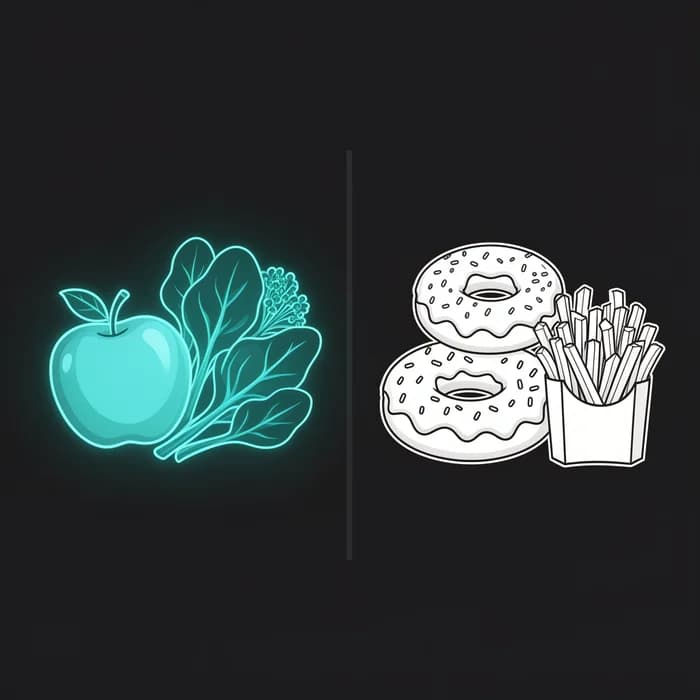
Good vs. Bad Carbohydrates: What You Need to Know
Carbohydrates are a central part of our diet and provide the energy we need for daily life. However, not all carbohydrates are equally beneficial for our bodies. There are good and bad carbohydrates, and it's important to understand their differences and how to incorporate them into your diet.
What Are Carbohydrates?
Carbohydrates, along with proteins and fats, are macronutrients that make up a large part of our daily food intake. They are essential for our mental and physical performance. Athletes, in particular, need a higher amount of carbohydrates to meet their increased energy demands.
Carbohydrates are divided into three main categories: simple sugars (monosaccharides), double sugars (disaccharides), and complex sugars (polysaccharides). Each category has different effects on our blood sugar levels and overall health.
Difference Between Good and Bad Carbohydrates
Simple Sugars (Monosaccharides)
Simple sugars like glucose and fructose are found in many fruits, honey, and sweets. They provide quick energy but also cause a rapid increase in insulin levels. With the exception of fruit, they are low in vitamins and minerals and should be consumed in moderation.
Double Sugars (Disaccharides)
Double sugars like table sugar, milk sugar, and malt sugar also lead to a quick rise in blood sugar levels and can cause cravings. Here too, less is more.
Complex Sugars (Polysaccharides)
Complex sugars, also known as complex carbohydrates, are the healthier choice. They consist of long molecular chains and are broken down more slowly by the body. This results in a longer feeling of satiety and more stable blood sugar levels.
Why Complex Carbohydrates Are Better
Complex carbohydrates are ideal for athletes and anyone watching their figure. They barely raise insulin levels and prevent cravings. Whole grains, legumes, and vegetables like potatoes, sweet potatoes, and pumpkins are excellent sources of complex carbohydrates.
Good Carbohydrate Sources
- Potatoes, Sweet Potatoes, and Pumpkins: These vegetables contain plenty of fiber and are rich in vitamins and minerals.
- Grains and Whole Grain Products: Whole grain bread, whole grain pasta, and oatmeal are ideal for a balanced breakfast or lunch.
- Legumes: Peas, beans, and lentils are not only rich in complex carbohydrates but also in proteins and fiber.
Bad Carbohydrate Sources
- White Flour Products: White bread, pizza, and pasta made from white flour should be avoided as they cause a rapid rise in blood sugar levels.
- Sweets and Sweetened Drinks: These contain many simple sugars and offer little nutritional value.
- Fast Food and Processed Foods: These foods are often high in unhealthy fats and sugars and should be consumed only occasionally.
How Many Carbohydrates Should You Eat?
The German Nutrition Society (DGE) recommends that about 50 percent of your daily calorie intake should come from good carbohydrates. Athletes can even get up to 60-70 percent of their calories from carbohydrates to meet their increased energy needs.
Evening Carbohydrate Intake
In the evening, you should reduce or avoid carbohydrate intake. A protein-rich snack before bed can help boost fat burning and support muscle growth.
Why Athletes Need Good Carbohydrates
Good carbohydrates are particularly important for athletes as they replenish glycogen stores in the liver and muscles. This allows for better muscle contraction and more strength during training. Bananas, dried fruits, and energy bars are ideal for a quick energy boost during intense physical activities.
Stay healthy, active, and enjoy the benefits of a balanced diet with the right carbohydrates!
Related Articles
Effective Fat Burning: Top 10 Tips for Nutrition and Training
Burn body fat efficiently with these 10 proven tips on nutrition, training, and motivation. Learn more!
5 Reasons for Slow Fat Loss: How to Improve!
Discover the most common mistakes in fat loss and how to avoid them. Learn more about nutrition, training, and motivation.
6 Week Diet: Your Plan to Get in Top Shape
Achieve your dream body in just 6 weeks with this detailed nutrition and training plan.