Volumetrics Diet: Lose Weight Without Hunger with Volume
Volumetrics Diet: Lose Weight Without Hunger with Volume
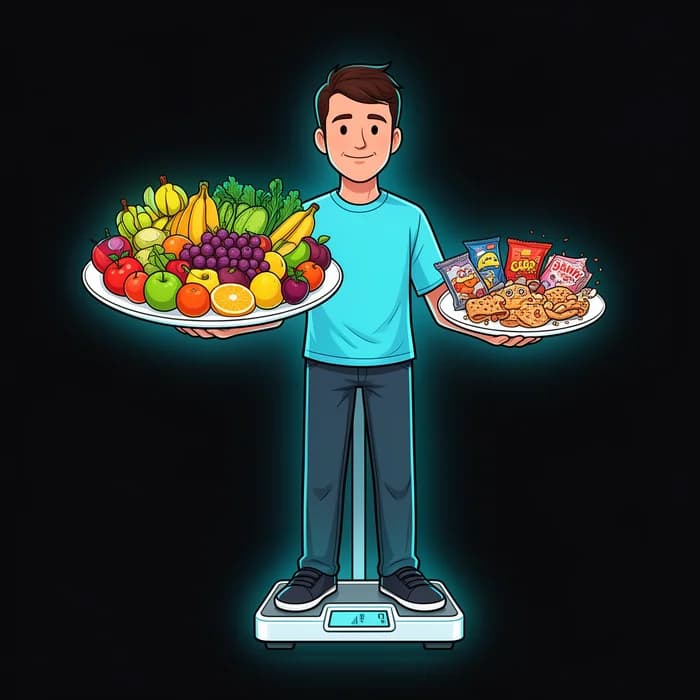
The Volumetrics Diet is a special dietary approach that helps you lose weight successfully without feeling hungry. Instead of focusing on high-calorie foods, you concentrate on low-energy-density foods with high volume. These foods are rich in water and fiber, which keep you full for longer and support weight loss.
What is the Volumetrics Diet?
The Volumetrics Diet, also known as Volume Eating, was developed by a US scientist. Her research showed that foods with large volumes and low energy density are more satiating and help with weight loss. The focus of this diet is on fruits, vegetables, whole grains, legumes, and lean dairy products. These foods are low in calories but high in water and fiber, leading to a long-lasting feeling of fullness.
How Does the Volumetrics Diet Work?
In the Volumetrics Diet, you eat foods with low energy density and high volume. Fruits, salads, and vegetables are perfect examples. A glass of water has zero calories and also contributes to a longer feeling of fullness. High-calorie foods like fatty meats, sweets, and fast food should be avoided as they quickly meet your caloric needs without keeping you full for long.
What to Eat on the Volumetrics Diet?
The recommended daily calorie intake is between 1,200 and 1,500 calories. Here are some foods you can include in your meal plan:
- Vegetables: Salads, cucumbers, tomatoes, kohlrabi, broccoli, zucchini, artichokes, carrots, cauliflower
- Fruits: Melons, berries, apples, pears, cherries, kiwi, grapes
- Whole Grains
- Legumes
- Nuts and Seeds
- Lean Dairy Products: Cottage cheese, low-fat yogurt
Example Meal Plan for a Week
Here is an example of a weekly meal plan following the Volumetrics Diet:
Monday
- Breakfast: Fresh fruit salad with oats and low-fat quark
- Lunch: Vegetable couscous
- Dinner: Cauliflower rice with parsley and grain cheese
Tuesday
- Breakfast: Savory tomato sandwich with cream cheese and herbs
- Lunch: Hearty chili with rice
- Dinner: Mini cucumbers filled with cream cheese, tomatoes, and sunflower seeds
Wednesday
- Breakfast: Tropical fruit salad with mango, kiwi, papaya, physalis, pineapple, and coconut yogurt
- Lunch: Spaghetti with vegetables (zucchini, tomatoes)
- Dinner: Raw vegetable platter with lots of veggies, guacamole, and tofu
Thursday
- Breakfast: Omelette with bell peppers and mushrooms, raw vegetables, and whole grain toast
- Lunch: Bowl with tomatoes, cucumber, lettuce, carrots, spinach, pine nuts, and grain cheese as a topping
- Dinner: Lentil salad with mozzarella
Friday
- Breakfast: Fruit salad with skyr
- Lunch: Vegetable rice salad
- Dinner: Tofu goulash
Saturday
- Breakfast: Quark cheese whole grain roll with low-fat quark, brie, onions, and fresh herbs
- Lunch: Broccoli cream soup with (soy) cream, croutons, and chopped almonds as a topping
- Dinner: Chickpea tomato stew
Sunday
- Breakfast: Smoothie with a mix of fruits and vegetables, such as cucumber, berries, and lettuce. Plus a slice of whole grain bread with grain cheese or low-fat quark
- Lunch: Pasta salad with braised vegetables (onions, tomatoes, and cucumbers) and trout
- Dinner: Braised tomatoes with fish
Benefits of the Volumetrics Diet
The Volumetrics Diet offers many benefits:
- Long-term dietary approach: It is varied and offers a wide range of healthy foods.
- Optimal fluid intake: The high water content in the diet ensures optimal hydration.
- High-quality nutrients: It provides high-quality protein, healthy fats, carbohydrates, vitamins, minerals, trace elements, and fiber.
- No major sacrifices: The food is filling without overloading the digestive system.
- No calorie counting: You don't need to constantly count calories; instead, focus on choosing the right foods.
Disadvantages of the Volumetrics Diet
There are also some challenges:
- Adjustment required: It can be a significant adjustment to choose water-rich foods with low energy density.
- More time-consuming: Preparing meals can take more time. Meal prep can help with this.
- Increased hunger with soups possible: Soups can lead to increased hunger. Foods with higher fiber content, like whole grain bread, can help.
Drinks on the Volumetrics Diet
Water is the best drink during the Volumetrics Diet. Drink 1 to 1.5 liters of water daily, especially on hot days or during physical exertion. Unsweetened herbal teas are also a good choice. A glass of water before meals can dampen hunger, and thorough chewing ensures a quicker feeling of fullness.
Who is the Volumetrics Diet Suitable For?
The Volumetrics Diet is particularly suitable for people who want to lose excess weight without feeling hungry. It is also a healthy alternative to conventional diets and can help prevent obesity, diabetes, and cardiovascular diseases. Even vegetarians and vegans can benefit from this dietary approach.
Let's start the Volumetrics Diet now and enjoy the benefits of a healthy, filling diet without calorie counting!
Related Articles
Anabolic Diet for Muscle Building and Fat Loss
Discover the Anabolic Diet: Maximum muscle building while simultaneously burning fat. Learn more about nutrition plans, nutrient distribution, and supplements.
Protein Diet: Fat Loss Without Carbohydrates
Discover the Protein Diet for effective fat loss. Nutrition plan, tips, and more!
Bodybuilding Competition Diet Plan: Muscle Definition & Fat Loss
Optimized diet plan for bodybuilding competitions. Achieve maximum definition and minimize body fat.